ALL-in-One AI Video & Image Creation Platform
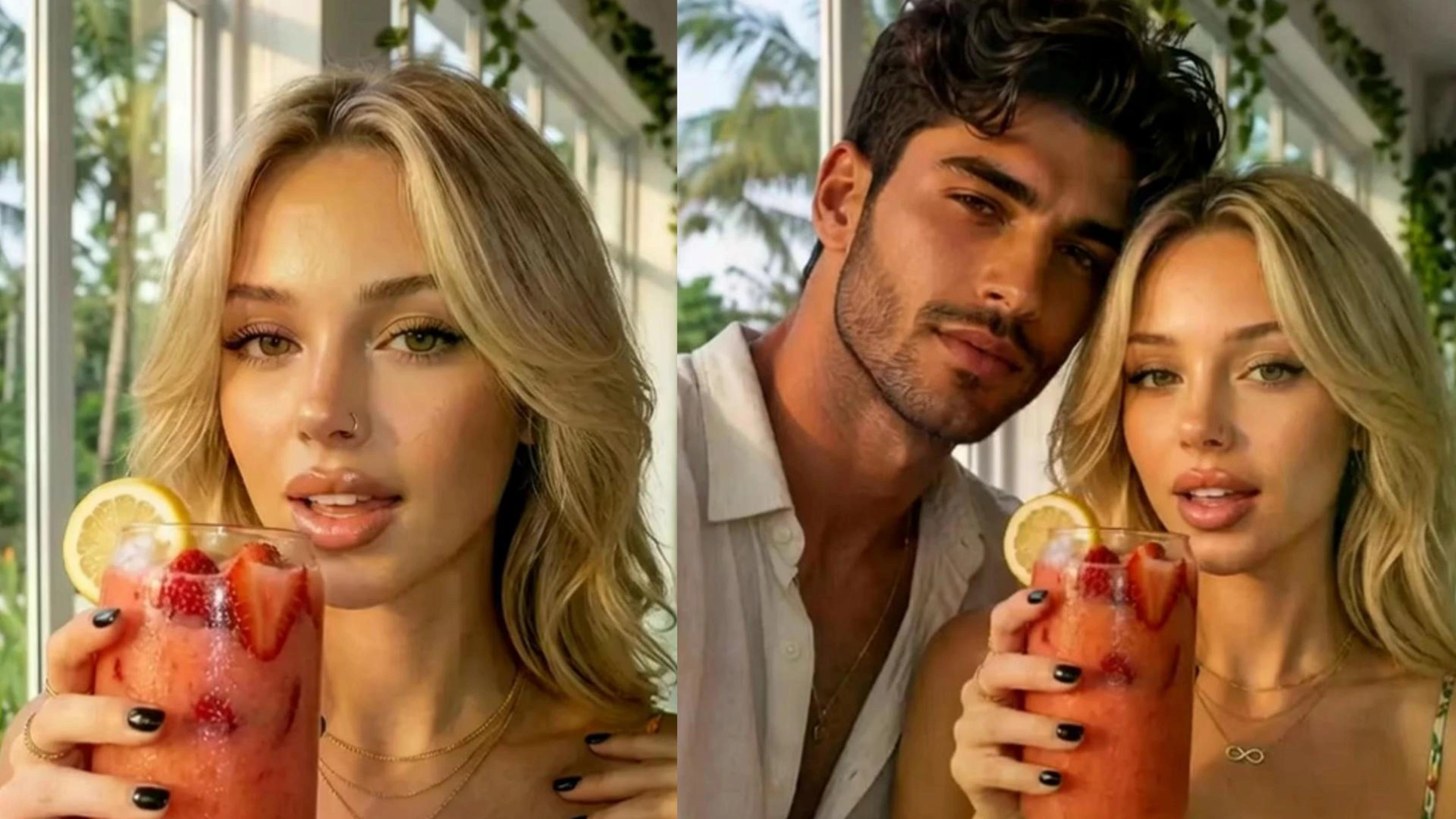
Kivoai renders text to video, brings a still into motion, generates AI images from prompts or references and extends footage that stopped too soon. Identity, lighting and camera behaviour carry from the first frame to the last, so what leaves the canvas still matches the brief that started it. No editing background required.



One Workflow for AI Image and Video Generator
Text to Video Generator
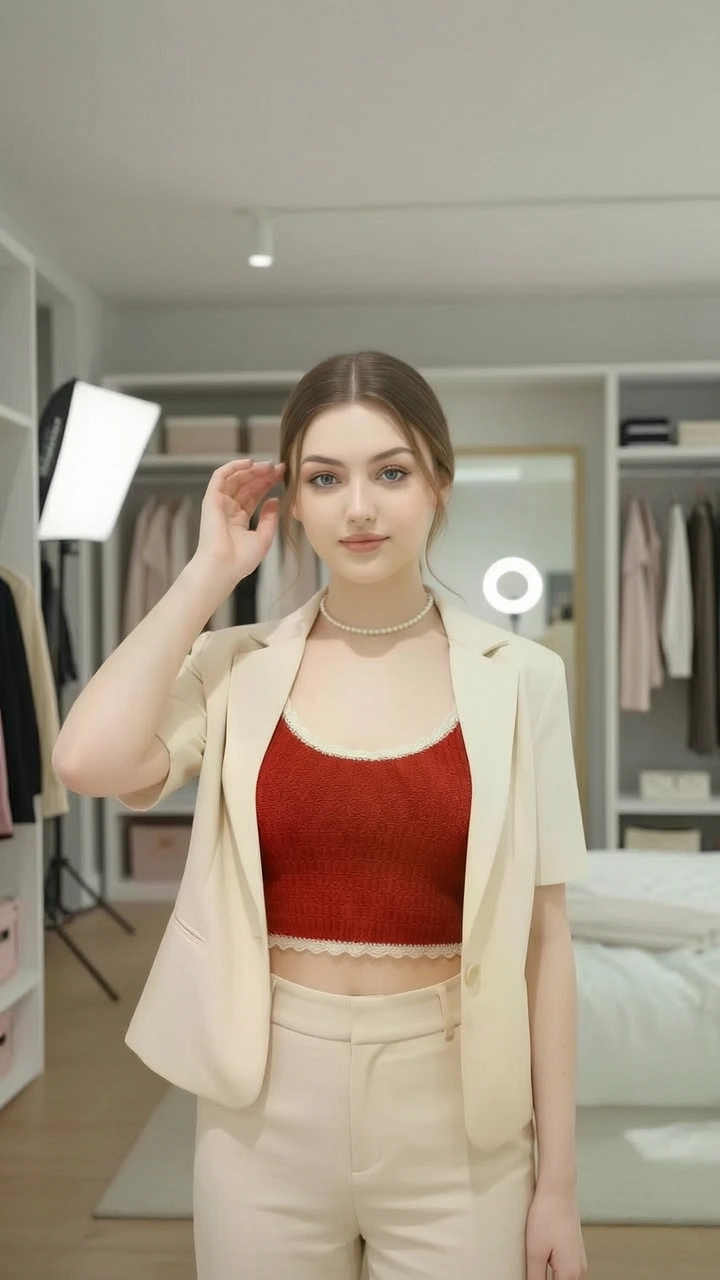
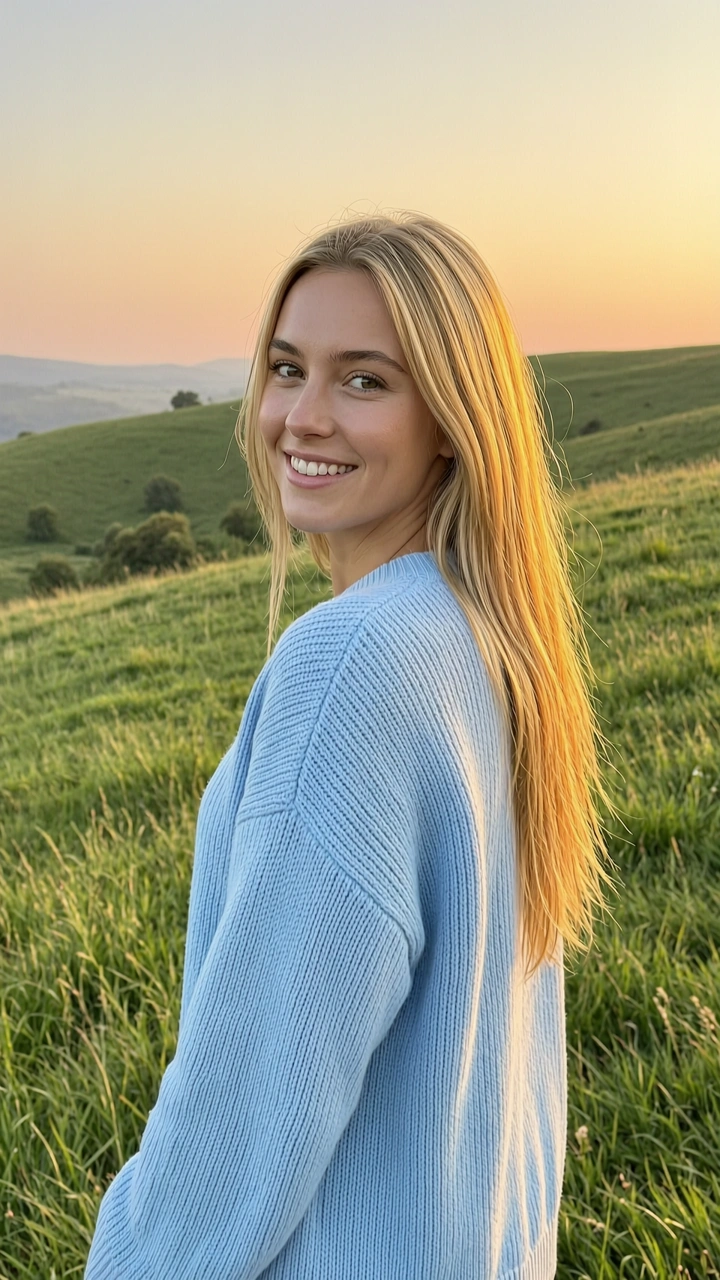
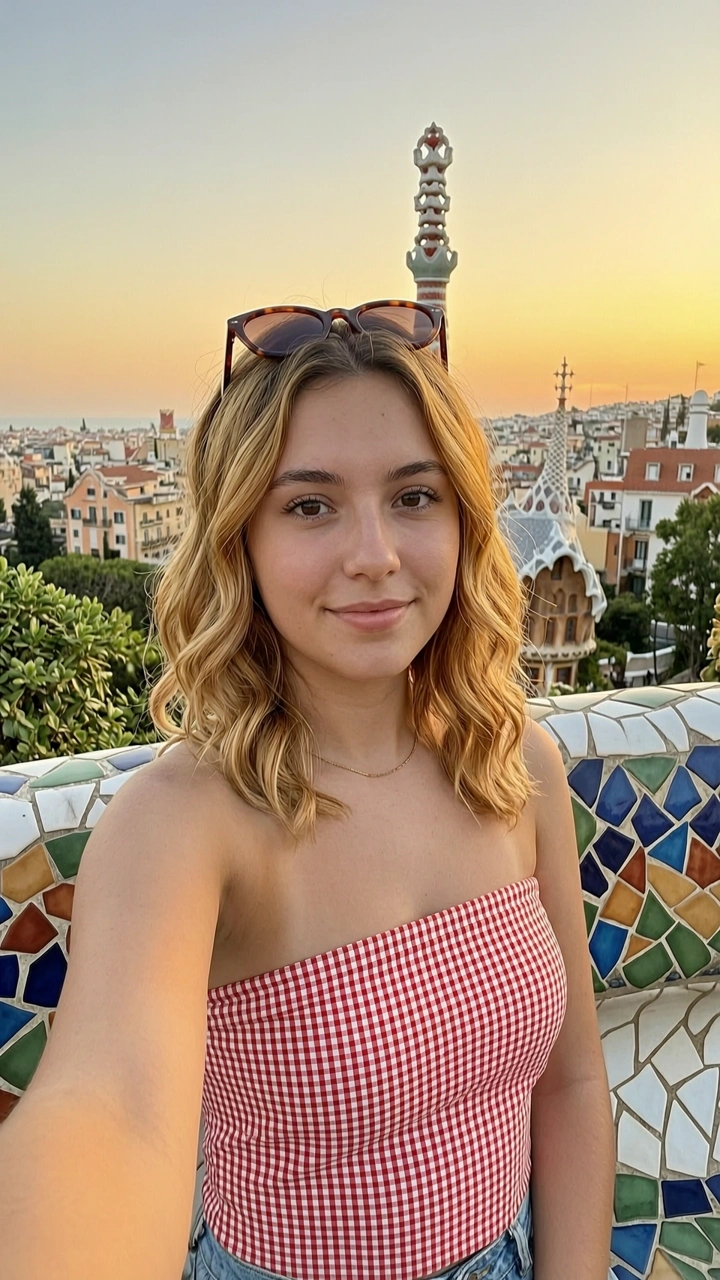
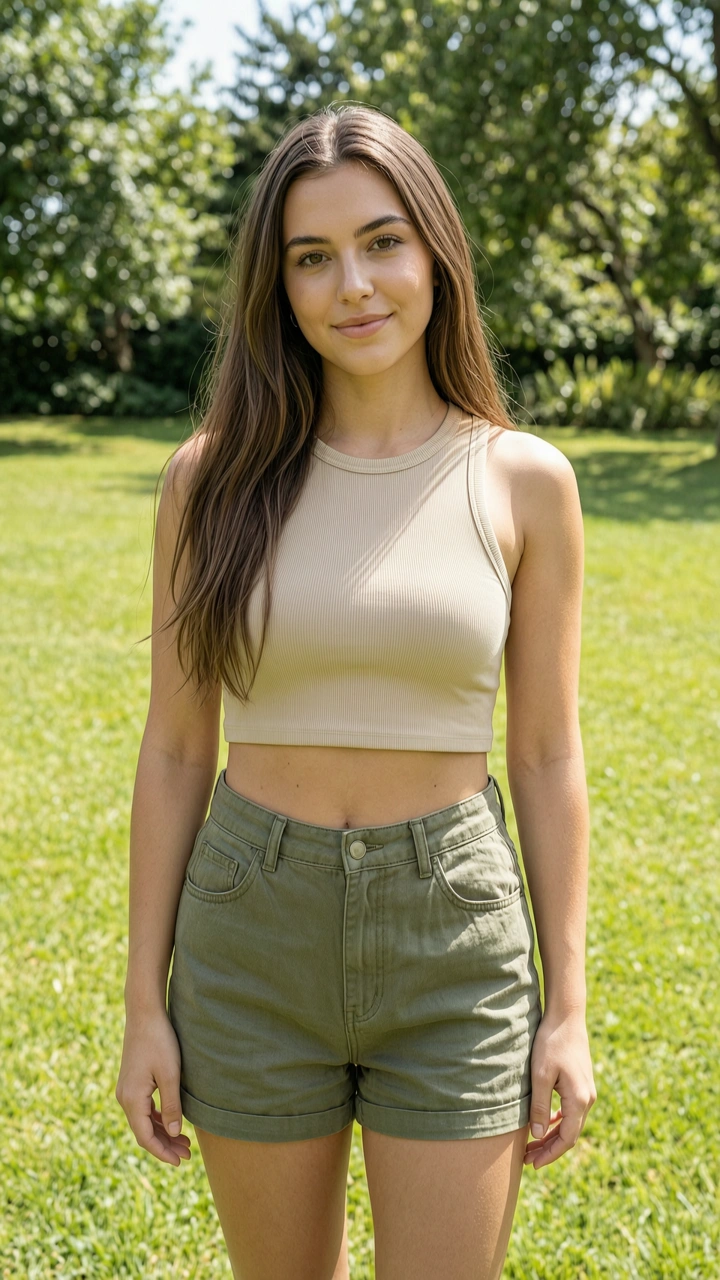
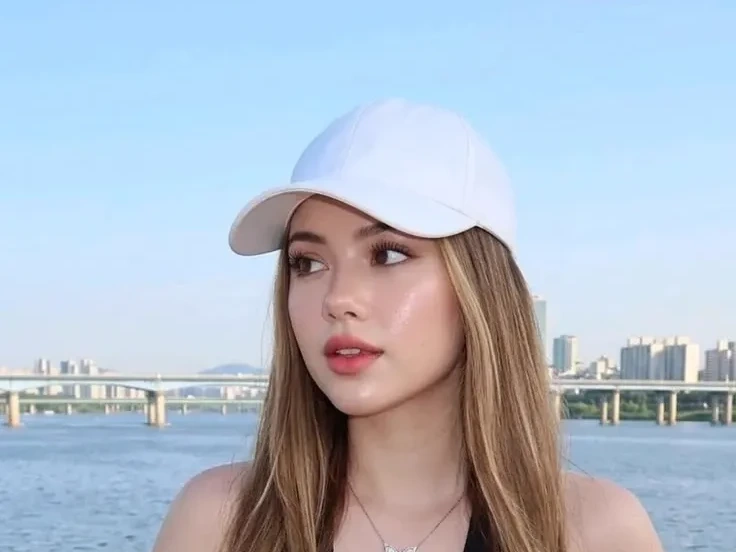
Turn a written scene into paced, high-definition motion. Kivoai's text to video AI reads the prompt as a shot list, then binds subject, camera move and light into a clip ready for social, ads or a first-cut story. Write the beat you want and the AI video generator from text handles the timeline.
AI Video Extender
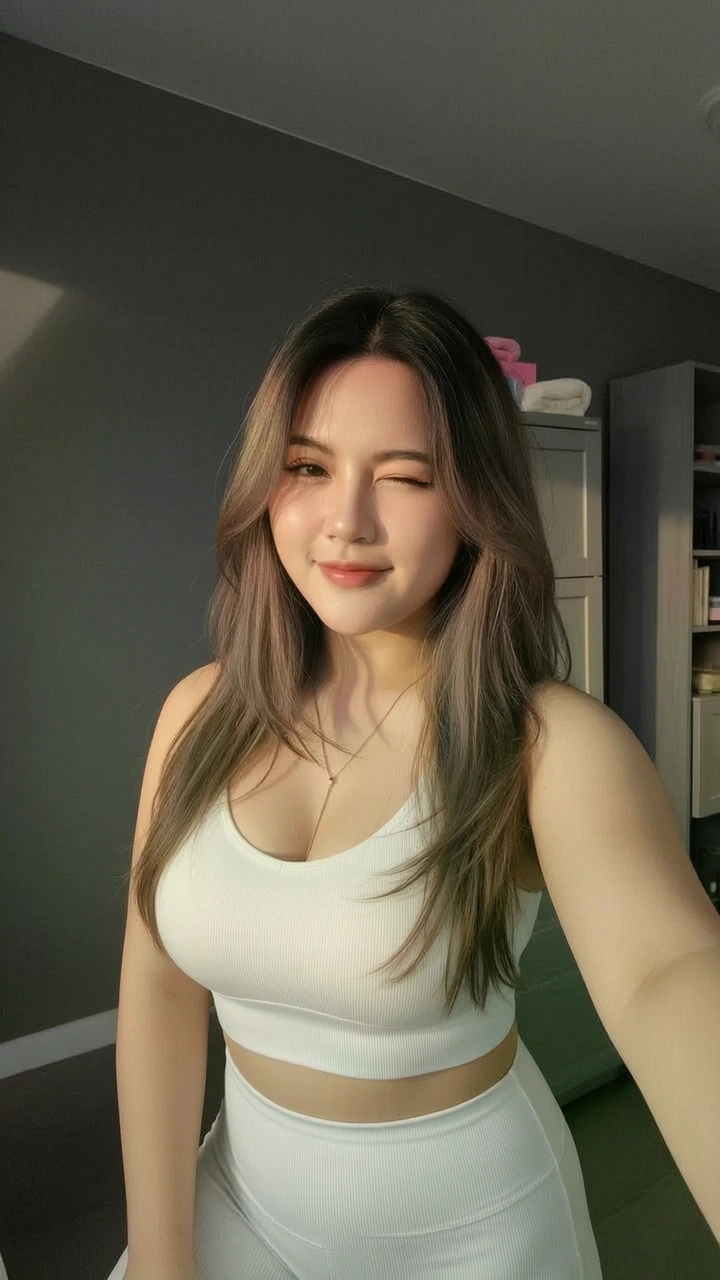
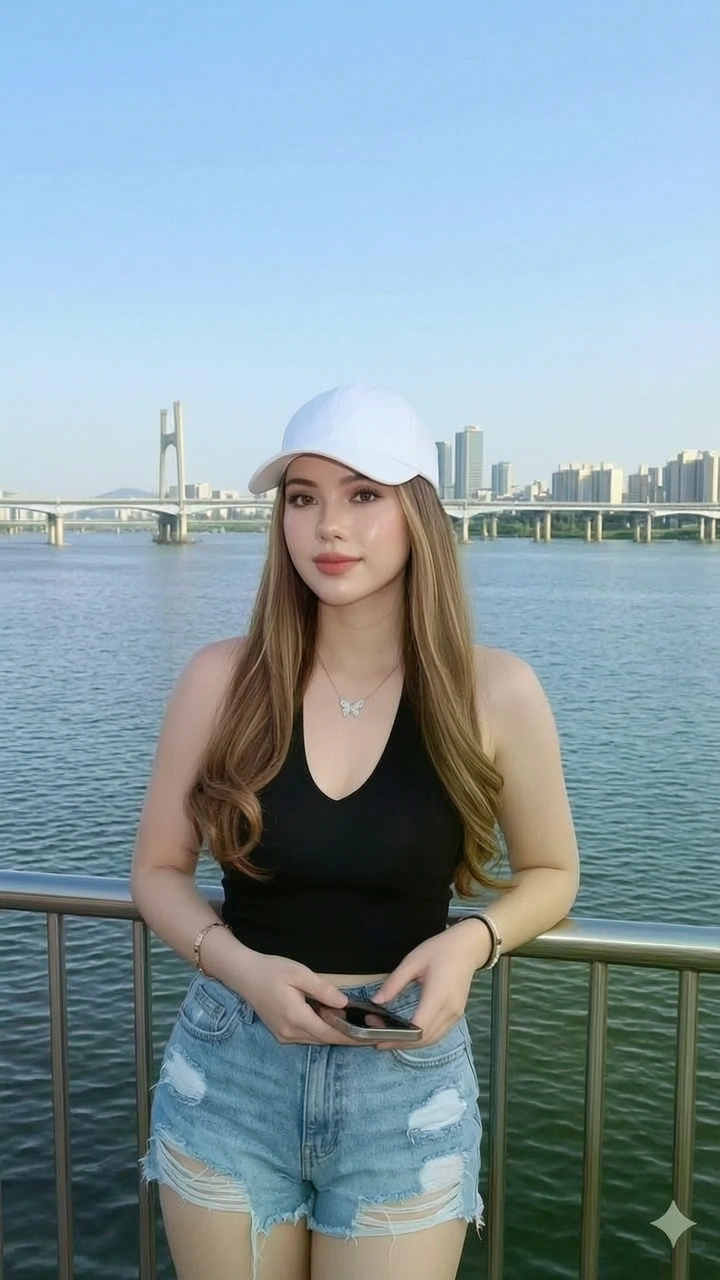
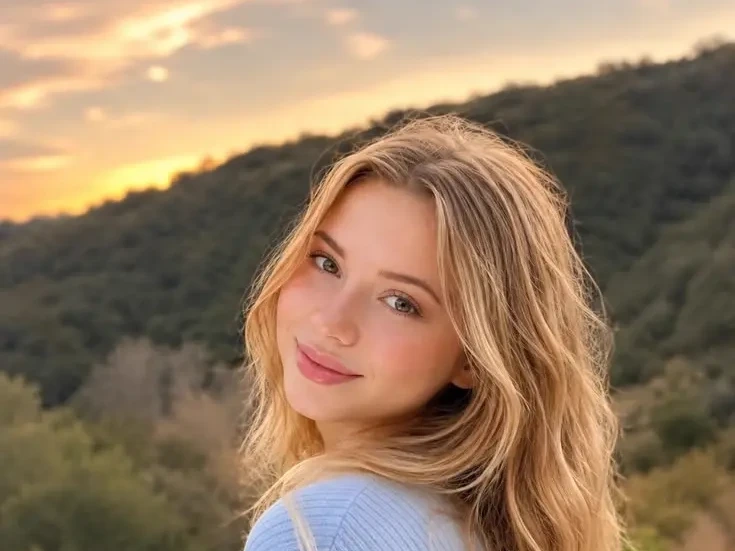
Keep a clip running when it ends mid-gesture, or grow the frame when the shape is wrong. Kivoai's AI video extender continues the action past the final frame with matched grain and motion, and paints picture beyond the original edges so a widescreen take survives a vertical feed without cropping the subject out.
Trending AI Video and Image Models Hub
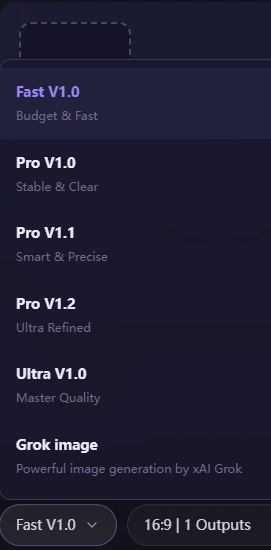
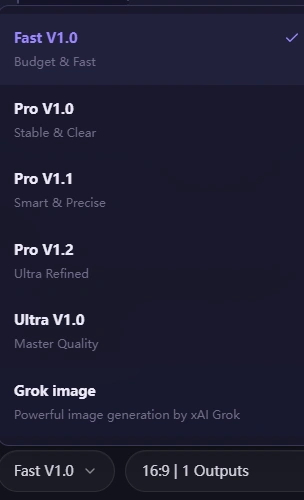
What User Say After the First Render
Real briefs, real stills and honest motion tests from people who publish. See why marketers, designers and studios reach for Kivoai when the look has to hold from the first frame to the last second.
One Look Across Stills and Motion
Kivoai keeps text to video, image to video and the AI image generator in one workspace, so a campaign stops looking like three different vendors made it. I set the direction once and the stills and clips still belong to the same brief.

Brief to Test Cut in an Afternoon
The text to video AI turns approved copy into something I can actually run as a paid test. It is quiet to use, and it removes the week that used to sit between a headline and a clip.
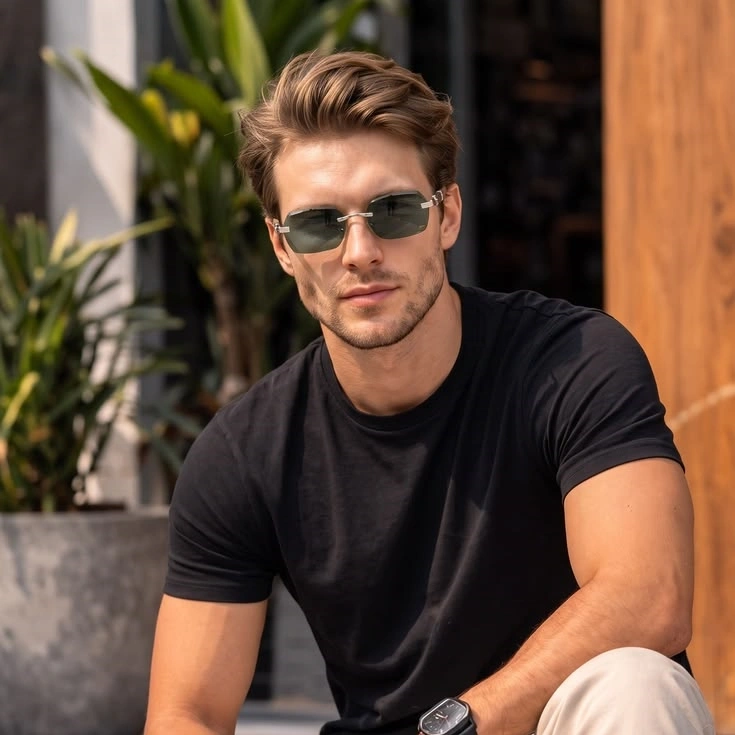
Stills That Pass the Client Wall
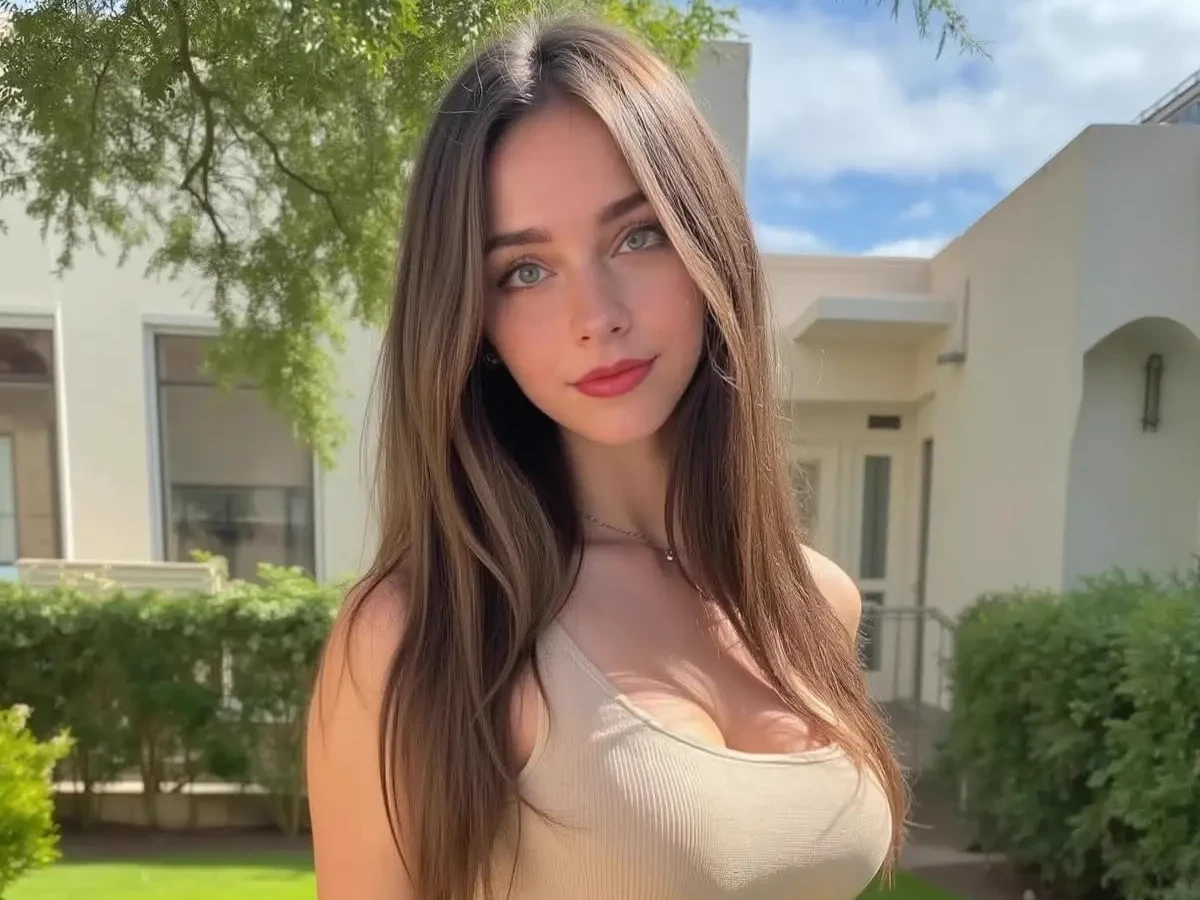
I generate the frame from a prompt, then restyle a reference when the crop is already right. Material and light hold well enough that the image enters a deck without a retouching pass first.
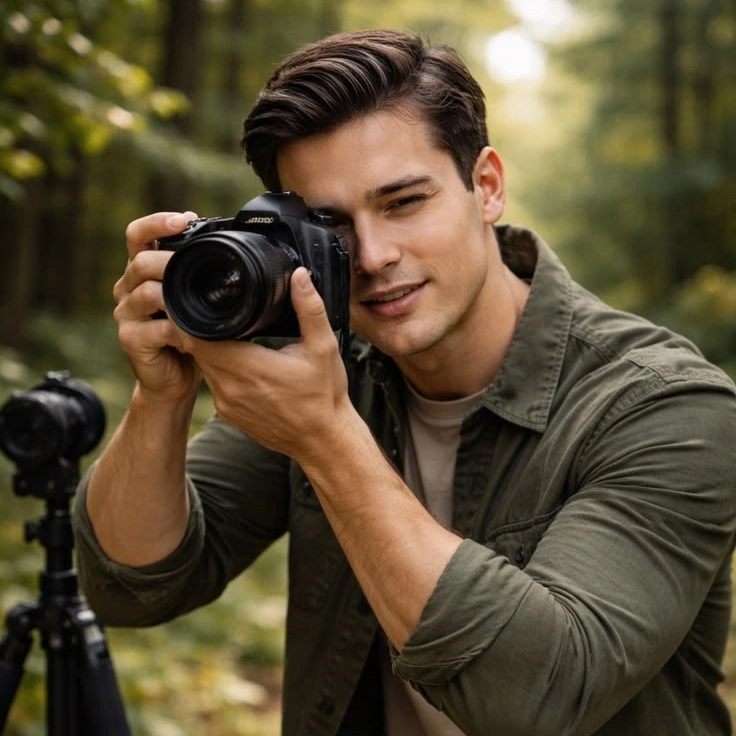
Motion from the JPG I Shot
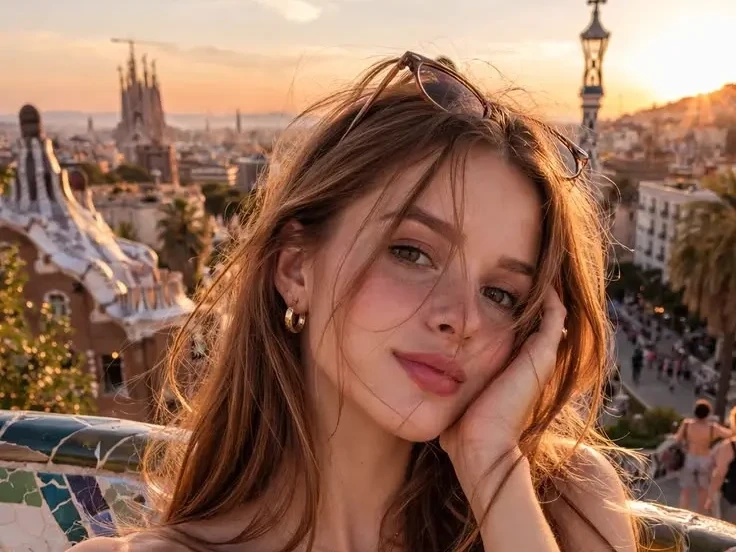
I needed video from a still, not titles laid over old footage. Photo to video AI gives me a short that still looks like the photograph I took, which is the only version my client recognises.
Catalog Movement Without a Reshoot
A hero photo already sold the object, so reshooting it for motion made no sense. Image to video adds a measured camera glide while the label and silhouette stay locked.

The Extender Saved the Edit
My best take ended two seconds before the music resolved and the location was gone. Extending the tail carried the same motion and grain across the join, and nobody in the review room found it.
FAQs About Kivoai's AI Video and Image Generator
The questions teams ask before the first render: how text to video differs from image to video and how credits work when there is no subscription. Short, direct, written for the brief you already have.